myofunctional therapy Louisville KY
Why Your Louisville Dentist Might Recommend Myofunctional Therapy
Discover how dentists spot hidden signs of myofunctional issues and why therapy could transform your family's oral health.
By Gina Sabbak, RDH · · 3 min read

In this article
- 01.Many Louisville families are surprised when their dentist suggests myofunctional therapy during a routine checkup
- 02.They wonder why a dental visit would lead to a recommendation for therapy focused on the muscles of the face, tongue, and mouth
- 03.When I sit down with new patients at my Louisville practice, I often hear the same story
- 04.They came in for one concern, perhaps a toothache or a cleaning, and left with their dentist explaining that the real problem might be something they never heard of
Many Louisville families are surprised when their dentist suggests myofunctional therapy during a routine checkup. They wonder why a dental visit would lead to a recommendation for therapy focused on the muscles of the face, tongue, and mouth. The truth is that dentists are trained to recognize patterns that go far beyond cavities and cleanings, and those patterns often point to underlying myofunctional issues that affect both oral health and overall wellbeing.
When I sit down with new patients at my Louisville practice, I often hear the same story. They came in for one concern, perhaps a toothache or a cleaning, and left with their dentist explaining that the real problem might be something they never heard of. What their dentist saw was not a single issue but a constellation of signs that, taken together, point to how the muscles of the mouth and face are functioning throughout the day and night.
One of the most common signs dentists notice is worn teeth
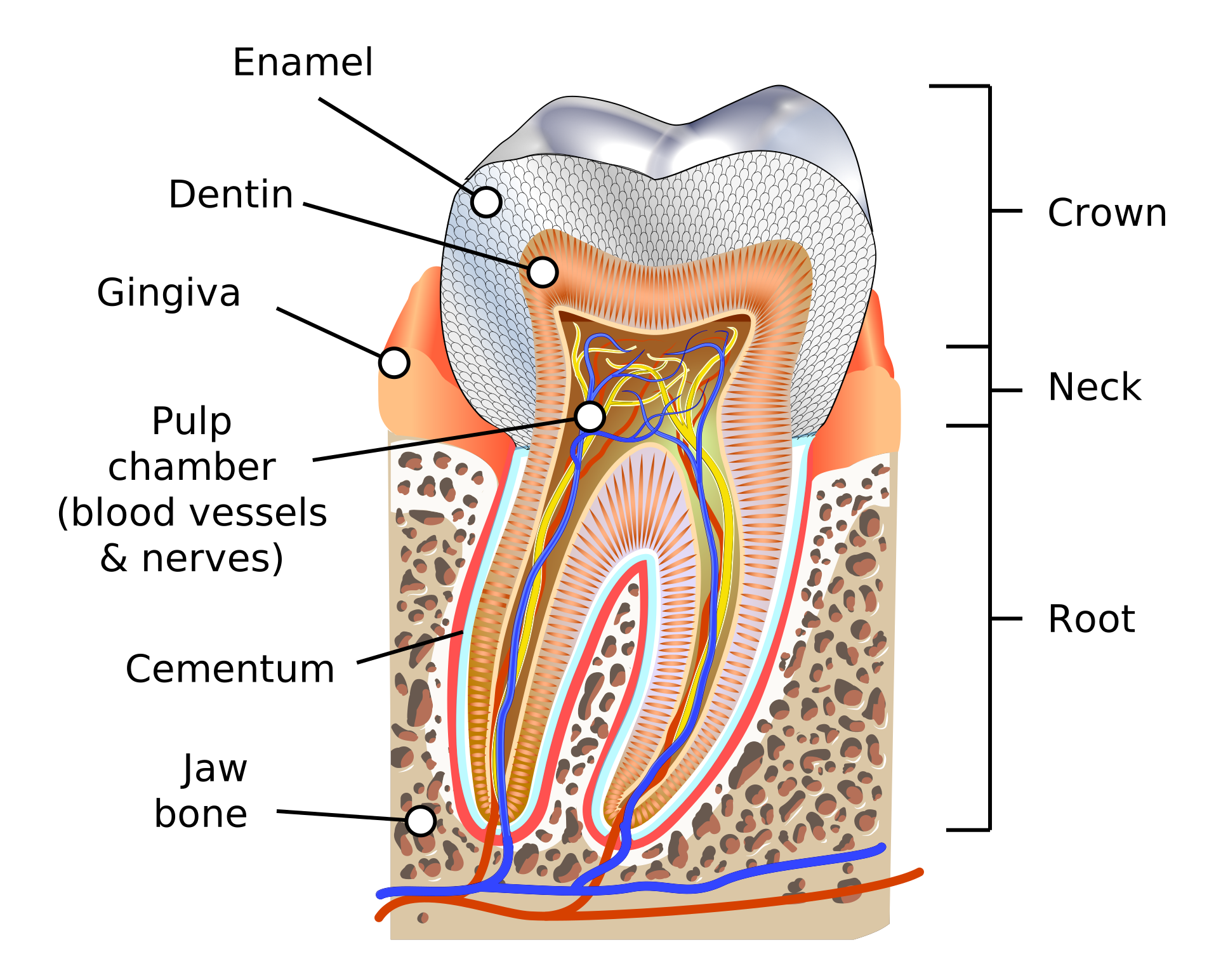
When teeth appear flattened, chipped, or increasingly sensitive, that often indicates bruxism, which is clenching or grinding. While stress can certainly play a role, many dentists understand that bruxism frequently stems from poor tongue posture. If the tongue rests low in the mouth rather than against the roof, the body often compensates by clenching the jaw, leading to the wear patterns dentists see every day.
Gum recession is another sign that catches a dentist's eye
When gums pull away from teeth, exposing more of the tooth root, that can indicate tongue thrusting during swallowing. Instead of the tongue pressing gently against the roof of the mouth, it pushes forward against the teeth with each swallow. Over time, that repeated pressure contributes to gum recession and can even affect the position of teeth. Louisville parents are often amazed to learn that something as automatic as swallowing could be contributing to their child's dental issues.
A high, narrow palate is something dentists recognize almost immediately. This arch-shaped roof of the mouth often develops when someone breathes through their mouth rather than their nose, particularly during childhood when the jaw is still developing. Chronic mouth breathing changes the architecture of the palate, making it narrower and higher than it should be. This not only affects how the teeth align but also impacts breathing quality, sleep, and even facial development.
Which brings us to crowded teeth
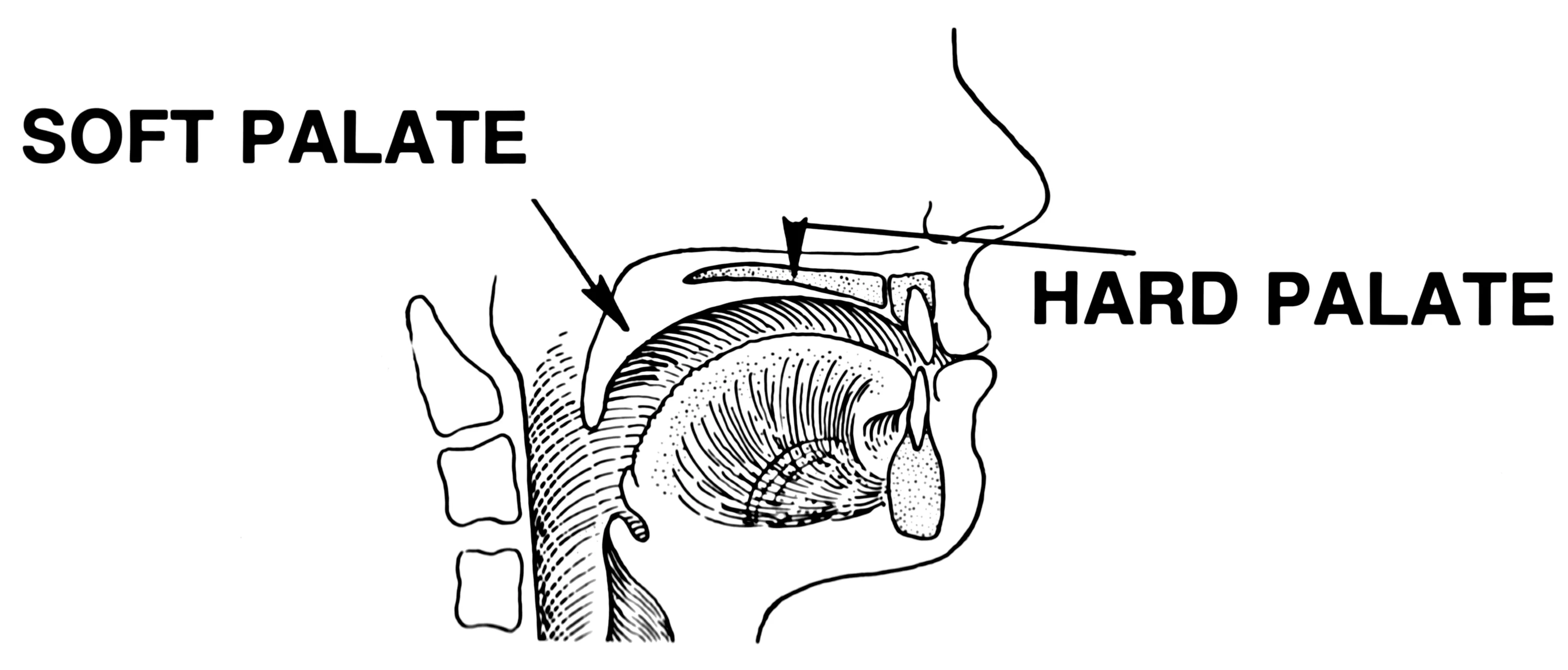
Many families assume crowded teeth are simply an inherited trait, something they have to accept. While genetics certainly play a role, dentists often see another contributing factor. When the palate is narrow and high, there simply is not enough room for the tongue to rest properly. With less room available, the tongue encroaches on the dental arch, pushing teeth out of alignment. This is why some children whose parents had straight teeth still develop crowding.
The beautiful thing about these patterns is that they are interconnected, which means addressing one can often help with others. When we work on proper tongue posture and nasal breathing, the teeth have more room, the jaw relaxes, and the body begins to heal from years of compensation. This is precisely why your dentist might recommend myofunctional therapy. They see the end result, and they understand the underlying causes that can be addressed through targeted therapy.
If any of these signs sound familiar, whether in yourself or your child, the next step is simple. Talk to your dentist about whether myofunctional therapy might be right for your family. Here in Louisville, we are fortunate to have dental professionals who understand how oral function impacts overall health. I would be honored to help you explore whether myofunctional therapy could make a difference for you. Please contact us to schedule a consultation and learn more about how we can support your family's journey to better oral function.
Tags
- myofunctional therapy Louisville KY
- dentist recommended therapy
- oral muscle function
- tongue posture dentistry
- Louisville family dental health

About the author
Gina Sabbak, RDH
Registered Dental Hygienist · Myofunctional Therapist
Gina is a Louisville-based registered dental hygienist and myofunctional therapist. She works with children and adults on tongue posture, nasal breathing, sleep-disordered breathing, and pre/post frenectomy support.
Reviewed by Gina Sabbak, RDH ·
Book an evaluationKeep reading
Related posts
October 5, 2026
How Posture Affects Breathing: What Louisville Families Need to Know
Discover the surprising link between how you stand and how you breathe, and why myofunctional therapy in Louisville addresses both.
Read more →October 3, 2026
Myofunctional Therapy: Who Can Benefit?
Discover who can benefit from myofunctional therapy in Louisville, KY. From tongue-tie to sleep issues, learn how this specialized treatment can help.
Read more →October 1, 2026
The Hidden Connection Between Mouth Breathing and Behavior in Children
Discover how chronic mouth breathing may be affecting your child's sleep, focus, and emotional regulation—and what Louisville families can do about it.
Read more →Have we worked with your family?
If anything here sounds familiar, Gina can help. Book a free consult.
Get in touch →