
Thumb Sucking
Thumb Sucking Past Age 4: When Louisville Parents Should Start Worrying
Persistent thumb sucking after age 4 can impact your child's palate, teeth, and speech. Learn when to intervene and what strategies work from a Louisville myofunctional therapist with 10+ years experience.
By Gina Sabbak, RDH · · 4 min read
In this article
- 01.As a myofunctional therapist working with Louisville families for over a decade, I often meet parents who come to my practice with concerns about their child's thumb sucking habit
- 02.While thumb sucking is completely normal and even soothing for infants and toddlers, many families wonder when this behavior crosses from harmless to something that might need attention
- 03.The answer typically lies around the age of 4 to 5, when the permanent teeth begin to emerge and the structures of the mouth become more susceptible to lasting changes
- 04.Understanding what happens when thumb sucking continues beyond this window can help you make informed decisions about whether its time to gently guide your child toward breaking the habit
As a myofunctional therapist working with Louisville families for over a decade, I often meet parents who come to my practice with concerns about their child's thumb sucking habit. While thumb sucking is completely normal and even soothing for infants and toddlers, many families wonder when this behavior crosses from harmless to something that might need attention. The answer typically lies around the age of 4 to 5, when the permanent teeth begin to emerge and the structures of the mouth become more susceptible to lasting changes. Understanding what happens when thumb sucking continues beyond this window can help you make informed decisions about whether its time to gently guide your child toward breaking the habit.
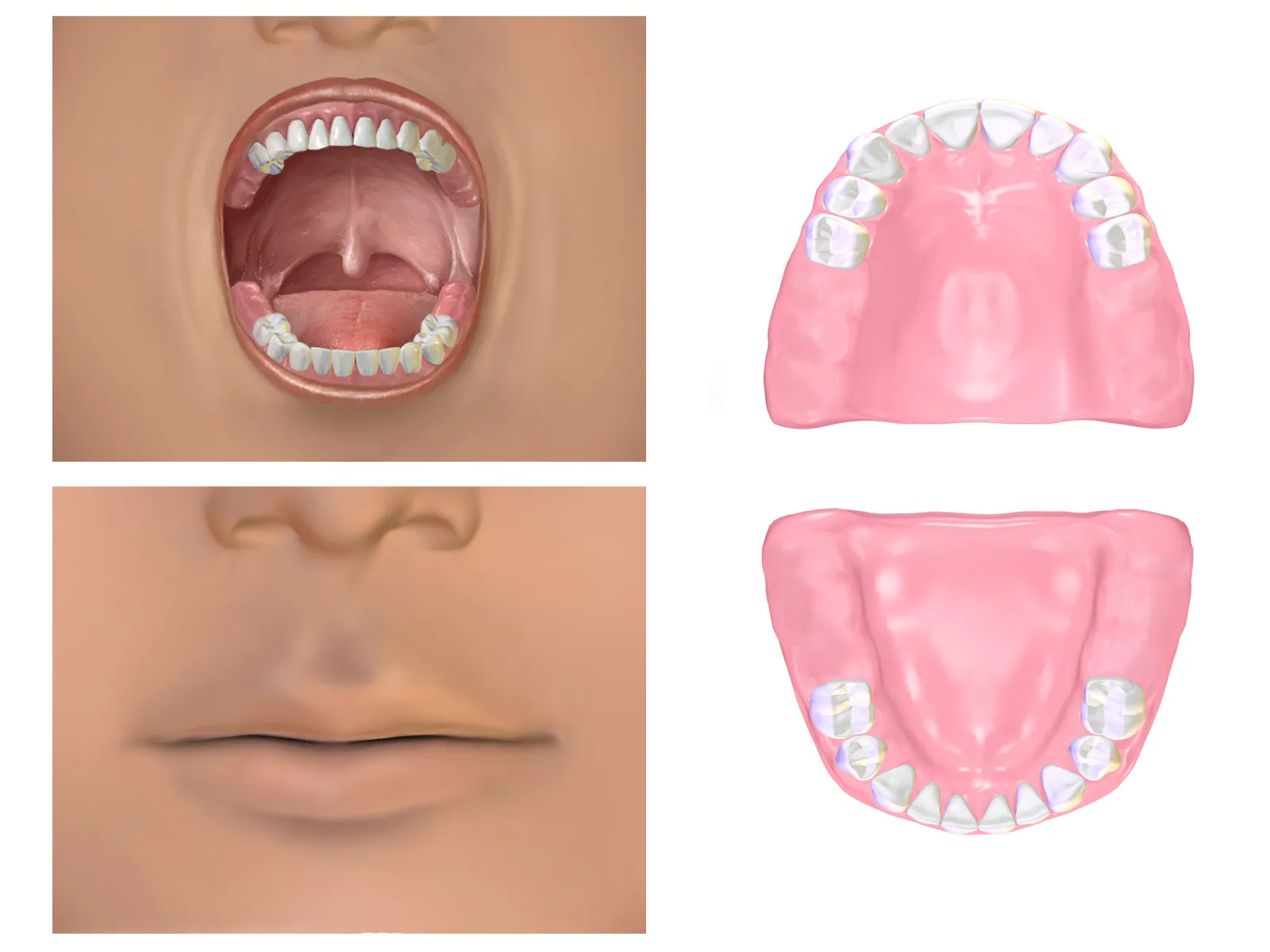
One of the most significant concerns with prolonged thumb sucking involves the shape and development of the hard palate. The palate, or roof of the mouth, is remarkably soft and moldable during the early childhood years. When a child consistently places a thumb or finger against this surface, the repeated pressure can gradually reshape the palate itself. Instead of developing into a broad, arched shape that allows adequate room for the tongue, a palate can become narrow and high, a condition often referred to as a high arched palate. This change in structure can have downstream effects on how the tongue rests, how the child breathes, and even how the facial bones develop over time.
Dental alignment represents another area where persistent thumb sucking can leave its mark. The front teeth, particularly the upper incisors, often protrude outward in children who suck their thumbs aggressively or frequently. This condition, sometimes called open bite or overjet, occurs because the thumb physically pushes against the developing teeth while they are still mobile in the jaw. Additionally, the pressure from thumb sucking can cause the lower teeth to tip inward, creating misalignment between the upper and lower dental arches. Many of the children I see in my Louisville clinic who are undergoing orthodontic treatment also have a history of prolonged thumb sucking, and correcting the dental effects often takes longer and requires more intervention than it would have if the habit had been addressed earlier.
Speech development can also be affected when thumb sucking continues past age 4 or 5. The tongue learns to position itself in specific ways during speech, and when a thumb is frequently present in the mouth, the tongue may adapt to an abnormal resting position. This can contribute to lisping, particularly with sibilant sounds like s and sh, as well as difficulty with certain consonant combinations. Children who suck their thumbs while speaking may also have reduced intelligibility because the thumb physically interferes with proper tongue placement. While not every child who sucks their thumb will develop speech difficulties, the risk increases with the frequency and duration of the habit.
So when should Louisville parents start thinking about helping their child stop? Most dental and myofunctional professionals agree that ages 4 to 5 represent a critical window. By this point, the baby teeth are starting to loosen and the permanent teeth are preparing to emerge. The jaw is still relatively adaptable, which means breaking the habit now can allow for more natural correction as the permanent dentition comes in. Waiting until all the permanent teeth have arrived often means that any changes to the palate, dental alignment, or tongue patterns may require more intensive orthodontic or therapeutic intervention to correct.
When it comes to actually helping your child stop thumb sucking, positive reinforcement tends to yield far better results than punishment or shame. Children this age respond beautifully to reward systems, whether its a sticker chart, a special outing, or simply verbal praise when they go without thumb sucking for periods of time. Some parents find success with making the thumb less appealing by covering it with a sock or glove, especially during sleep when the habit is often automatic. Another option that many families in my practice have found helpful is Mavala Stop, a clear, bitter-tasting nail polish designed specifically to make thumb sucking less desirable. The taste is harmless but effective, serving as a gentle reminder for children who are motivated to stop but need a little extra support.
Myofunctional therapy offers a structured, supportive approach for families who have tried these strategies without success. In therapy, I work with children to identify what triggers their thumb sucking, whether its boredom, fatigue, anxiety, or simply habit. We then develop alternative coping strategies and exercises that strengthen the tongue and facial muscles, helping the child feel more confident in their ability to stop. Therapy also addresses any underlying oral motor weaknesses that might be contributing to the habit, creating a comprehensive approach that supports lasting change rather than just addressing the surface behavior.
If your child is approaching age 5 and still regularly sucks their thumb, there is no need to panic. Many children successfully break the habit with gentle, consistent encouragement from their families. However, if you have noticed changes in your child's palate, teeth, or speech, or if simple strategies have not worked, reaching out for professional support can make a meaningful difference. As a myofunctional therapist in Louisville, I am here to help your family navigate this transition with patience and expertise. The sooner we can support your child in breaking the habit, the better positioned they will be for healthy dental and speech development moving forward.
What to do next: If you are concerned about your child's thumb sucking habit and would like to discuss whether myofunctional therapy might be right for your family, please contact us at /contact to schedule a consultation. We love working with Louisville families and would be honored to support your child's oral health journey.
Tags
- Thumb Sucking
- Myofunctional Therapy
- Pediatric Dental Health
- Louisville KY
- Oral Habits

About the author
Gina Sabbak, RDH
Registered Dental Hygienist · Myofunctional Therapist
Gina is a Louisville-based registered dental hygienist and myofunctional therapist. She works with children and adults on tongue posture, nasal breathing, sleep-disordered breathing, and pre/post frenectomy support.
Reviewed by Gina Sabbak, RDH ·
Book an evaluationKeep reading
Related posts
September 16, 2026
The 4 Habits of Highly Effective Oral Posture
After more than a decade working with families in Louisville and across Kentucky, I've seen something remarkable happen when people commit to proper oral posture.
Read more →September 27, 2026
Why 'Just Braces' Doesn't Fix Crowded Teeth for Life
Discover why orthodontic treatment alone often fails to provide lasting results and how myofunctional therapy addresses the hidden causes of crowded teeth.
Read more →September 15, 2026
Adult Tongue-Tie Release: What I Wish I'd Known
As a myofunctional therapist with over a decade of experience in Louisville, I want to share what every adult considering tongue-tie release should know before taking this important step.
Read more →Have we worked with your family?
If anything here sounds familiar, Gina can help. Book a free consult.
Get in touch →