
pediatric sleep
Kids and Sleep-Disordered Breathing: A Parent's Checklist
Learn the warning signs of sleep-disordered breathing in children and what Louisville parents can do to help their kids breathe better at night.
By Gina Sabbak, RDH · · 3 min read

In this article
- 01.From their ability to focus in school to their emotional regulation and physical growth, breathing well during sleep is foundational to healthy development
- 02.Yet many parents in our community are unaware that their child might be struggling with sleep-disordered breathing, simply because the signs can be subtle or easy to dismiss
- 03.I want to share a practical checklist that Louisville parents can use as a starting point for understanding whether their child might benefit from further evaluation
- 04.One of the most common indicators is snoring
As a myofunctional therapist with more than a decade of experience working with families in Louisville and across Kentucky, I have seen firsthand how the quality of a child's sleep can affect nearly every aspect of their daily life. From their ability to focus in school to their emotional regulation and physical growth, breathing well during sleep is foundational to healthy development. Yet many parents in our community are unaware that their child might be struggling with sleep-disordered breathing, simply because the signs can be subtle or easy to dismiss. I want to share a practical checklist that Louisville parents can use as a starting point for understanding whether their child might benefit from further evaluation.
One of the most common indicators is snoring
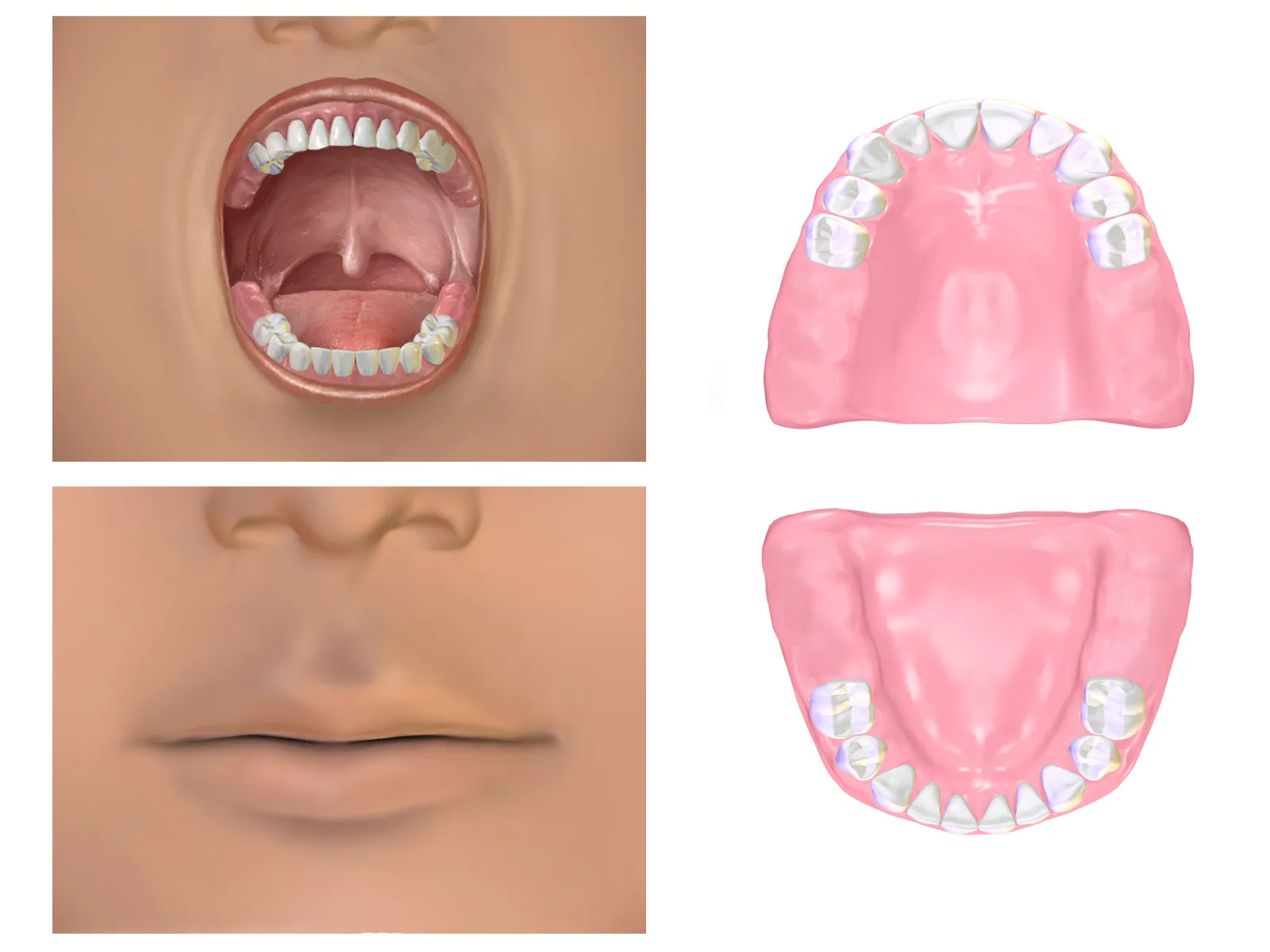
While occasional snoring can happen to anyone, regular loud snoring in children is not something to ignore. It often signals that the airway is being partially obstructed during sleep, which can disrupt the deep rest a child needs. Mouth breathing is another significant sign. When a child breathes through their mouth instead of their nose during sleep, it can indicate nasal congestion or an airway issue that deserves attention.
Parents in my practice often tell me they have noticed their child wakes up with night sweats, or that the bed sheets are soaked by morning. While there can be many explanations for night sweats, when it happens consistently alongside other signs on this list, it may be worth discussing with your pediatrician. Restless sleep is another clue that a child is not getting the restorative rest they need. If you find yourself frequently repositioning your child throughout the night, or if they toss and turn constantly, this could be their body's response to breathing difficulties.
Night terrors can be frightening for both children and parents, and while they have various causes, they can sometimes be linked to fragmented sleep caused by breathing interruptions. Similarly, bedwetting that persists past age five can sometimes be associated with sleep-disordered breathing, as the sleep cycle disruptions can affect the body's ability to manage bladder function during the night.
During the day, you might notice signs that seem unrelated to sleep at first. Excessive daytime sleepiness, even after what appears to be a full night's rest, is a common complaint. Children may also struggle with attention and focus in school, which can sometimes be mistaken for attention issues when the real culprit is poor sleep quality. Morning headaches are another red flag that the brain may not be getting enough oxygen during the night.
I have also worked with families who noticed their child was growing more slowly than expected. Chronic sleep-disordered breathing can affect the release of growth hormones, which are primarily secreted during deep sleep. If your child seems to be lagging on the growth charts, it is worth considering whether sleep quality could be a contributing factor.
None of these signs alone necessarily mean your child has a serious problem, but if you are seeing several of them together, I encourage you to bring this observation to your pediatrician or to an ENT specialist who can evaluate your child's airway. They may recommend a sleep study or a thorough examination of the nasal passages, tonsils, and adenoids. The good news is that once the underlying breathing issue is identified, there are effective pathways to improvement.
If any of these warning signs feel familiar to you and your family, I invite you to take the next step. Please contact our Louisville practice to schedule a consultation. We love talking with parents, answering questions, and helping you determine whether myofunctional therapy might be a helpful part of your child's journey toward better sleep and better health.
Tags
- pediatric sleep
- sleep-disordered breathing
- myofunctional therapy
- Louisville kids health
- parenting resources

About the author
Gina Sabbak, RDH
Registered Dental Hygienist · Myofunctional Therapist
Gina is a Louisville-based registered dental hygienist and myofunctional therapist. She works with children and adults on tongue posture, nasal breathing, sleep-disordered breathing, and pre/post frenectomy support.
Reviewed by Gina Sabbak, RDH ·
Book an evaluationKeep reading
Related posts
September 30, 2026
What Does a Healthy Swallow Really Look Like?
Discover the signs of a proper swallow pattern and why it matters for your family's oral health in Louisville.
Read more →September 29, 2026
Tongue-Tie and Breastfeeding: A Parent's Guide
Understanding tongue-tie symptoms in babies and mothers, and how myofunctional therapy supports better feeding outcomes in Louisville families.
Read more →September 27, 2026
Why 'Just Braces' Doesn't Fix Crowded Teeth for Life
Discover why orthodontic treatment alone often fails to provide lasting results and how myofunctional therapy addresses the hidden causes of crowded teeth.
Read more →Have we worked with your family?
If anything here sounds familiar, Gina can help. Book a free consult.
Get in touch →