
Mouth Breathing Toddlers
Mouth Breathing in Toddlers: Signs Louisville Parents Often Miss
Is your toddler a mouth breather? Discover 8 subtle signs Louisville parents miss—from dry lips to behavioral changes—that may indicate a breathing issue.
By Gina Sabbak, RDH · · 2 min read

In this article
- 01.Dry lips on waking. One of the first things I ask parents in my Louisville practice is whether their child wakes with dry, chapped, or peeling lips. If lips are consistently dry in the morning, your toddler likely spent the night breathing through their mouth.
- 02.Open-mouth posture. Notice your toddler's lips are often parted, especially during screen time or quiet activities? This open-mouth posture is a hallmark sign of mouth breathing. The lips should rest together gently when not eating or talking.
- 03.Long face shape. Chronic mouth breathing can alter facial development over time, contributing to a longer, narrower face shape. This happens gradually, which is why early intervention matters. I see this pattern in many of the children who come to my Louisville practice.
- 04.The good news is that mouth breathing can be addressed. Myofunctional therapy offers gentle, effective techniques to help retrain your child's breathing and oral posture habits.
- 05.If you recognize these signs in your toddler, I invite Louisville families to reach out. Early intervention can make a meaningful difference in your child's sleep, behavior, and long-term development.
The Signs Louisville Parents Miss
As a myofunctional therapist with over ten years of experience working with Kentucky families, I often meet parents who are surprised to learn their toddler has been breathing through their mouth — often for years. Mouth breathing is not just a harmless habit. It can affect your child's sleep, behavior, and facial development.
Here are eight signs I want every Louisville parent to know.
Dry lips on waking. One of the first things I ask parents in my Louisville practice is whether their child wakes with dry, chapped, or peeling lips. If lips are consistently dry in the morning, your toddler likely spent the night breathing through their mouth.
Snoring and noisy breathing
While occasional snoring during a cold is normal, regular snoring or noisy breathing during sleep is worth noting. Many Kentucky families are surprised to learn that toddlers as young as two or three can have sleep-disordered breathing that affects their development.
Dark circles under the eyes. Those dark circles under your toddler's eyes are not just from missing a nap. In my experience working with families across Jefferson County, "allergic shiners" often indicate poor sleep quality caused by mouth breathing. The body works harder to breathe at night, leaving visible signs of fatigue.
Behavioral mimics of ADHD. This is one of the most overlooked signs. Mouth breathing during sleep reduces oxygen to the brain, which can cause difficulty focusing, hyperactivity, and impulsivity in toddlers. I have worked with many Louisville parents who were concerned about attention issues, only to discover the real culprit was their child's breathing pattern.
Daytime fatigue despite adequate sleep. Does your toddler seem tired even after a full night's sleep? Mouth breathing disrupts healthy sleep cycles, so your child may sleep long hours but still wake exhausted. This fatigue can manifest as crankiness, difficulty playing independently, or falling asleep during car rides.
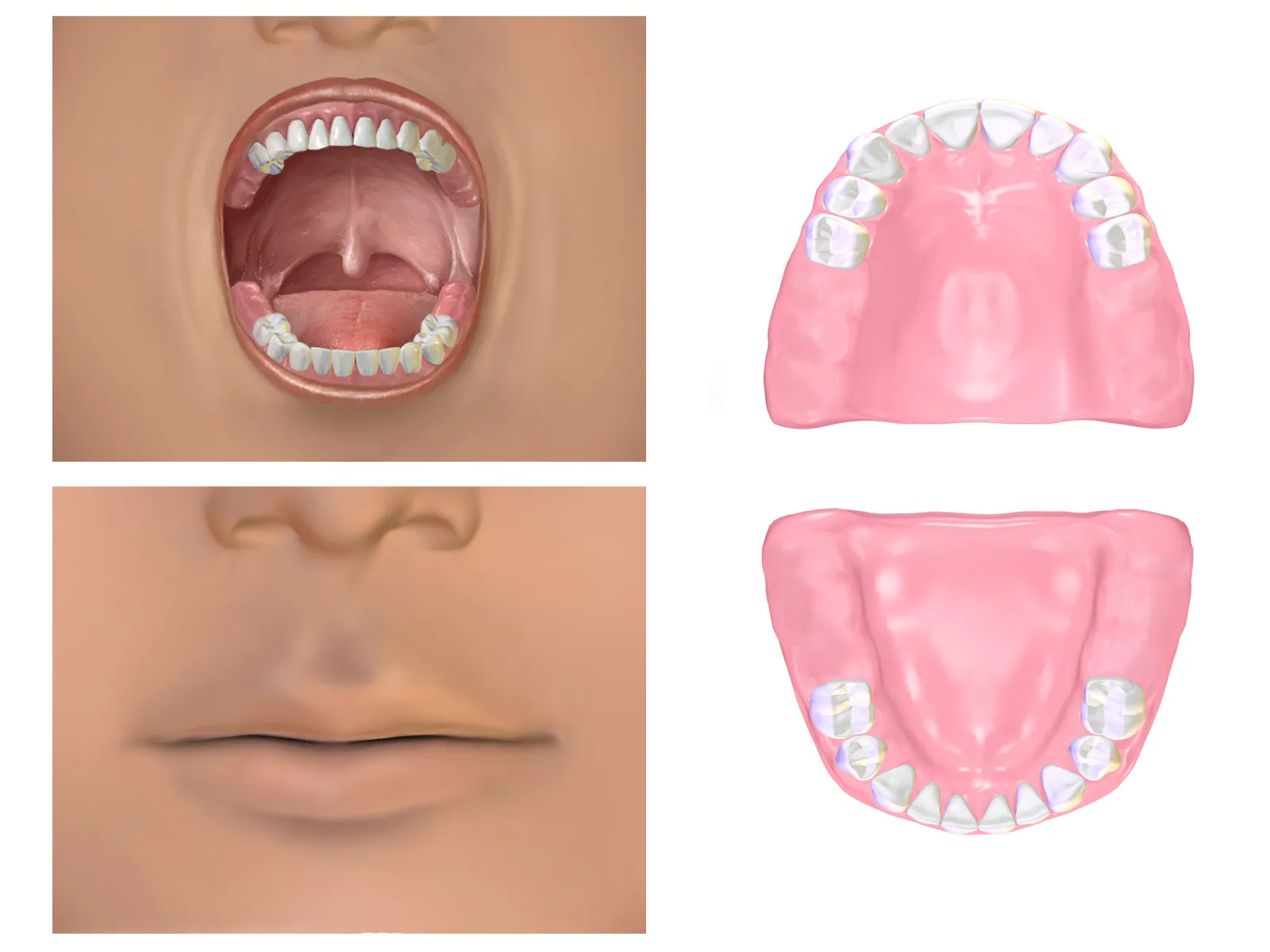
Open-mouth posture. Notice your toddler's lips are often parted, especially during screen time or quiet activities? This open-mouth posture is a hallmark sign of mouth breathing. The lips should rest together gently when not eating or talking.
Long face shape. Chronic mouth breathing can alter facial development over time, contributing to a longer, narrower face shape. This happens gradually, which is why early intervention matters. I see this pattern in many of the children who come to my Louisville practice.
Dental crowding. I collaborate with orthodontists throughout Louisville who frequently refer young patients for myofunctional therapy. Dental crowding is often linked to oral posture and breathing patterns. The tongue is not properly positioned to support healthy jaw development when the mouth is open.
What to Do Next
The good news is that mouth breathing can be addressed. Myofunctional therapy offers gentle, effective techniques to help retrain your child's breathing and oral posture habits.
If you recognize these signs in your toddler
I invite Louisville families to reach out. Early intervention can make a meaningful difference in your child's sleep, behavior, and long-term development.
Ready to learn more? Schedule a consultation today to discuss your child's breathing patterns.
— Gina Sabbak, RDH
Tags
- Mouth Breathing Toddlers
- Myofunctional Therapy Louisville
- Child Sleep Issues Kentucky
- Pediatric Breathing Problems
- Oral Posture Children

About the author
Gina Sabbak, RDH
Registered Dental Hygienist · Myofunctional Therapist
Gina is a Louisville-based registered dental hygienist and myofunctional therapist. She works with children and adults on tongue posture, nasal breathing, sleep-disordered breathing, and pre/post frenectomy support.
Reviewed by Gina Sabbak, RDH ·
Book an evaluationKeep reading
Related posts
October 1, 2026
The Hidden Connection Between Mouth Breathing and Behavior in Children
Discover how chronic mouth breathing may be affecting your child's sleep, focus, and emotional regulation—and what Louisville families can do about it.
Read more →September 26, 2026
How Orthodontics and Myofunctional Therapy Work Together for Lasting Smiles
Discover how combining myofunctional therapy with orthodontic treatment creates stable, lasting results for Louisville families.
Read more →September 5, 2026
The ADHD-Mouth-Breathing Connection Louisville Parents Need to Know About
Discover how mouth breathing and sleep fragmentation can cause ADHD-like symptoms in children—and what Louisville families can do about it.
Read more →Have we worked with your family?
If anything here sounds familiar, Gina can help. Book a free consult.
Get in touch →